Digital Table Flows: How App Interface Tweaks Reshape Bonus Use in Hold'em Freerolls
Nils Butler · Oct 15, 2026
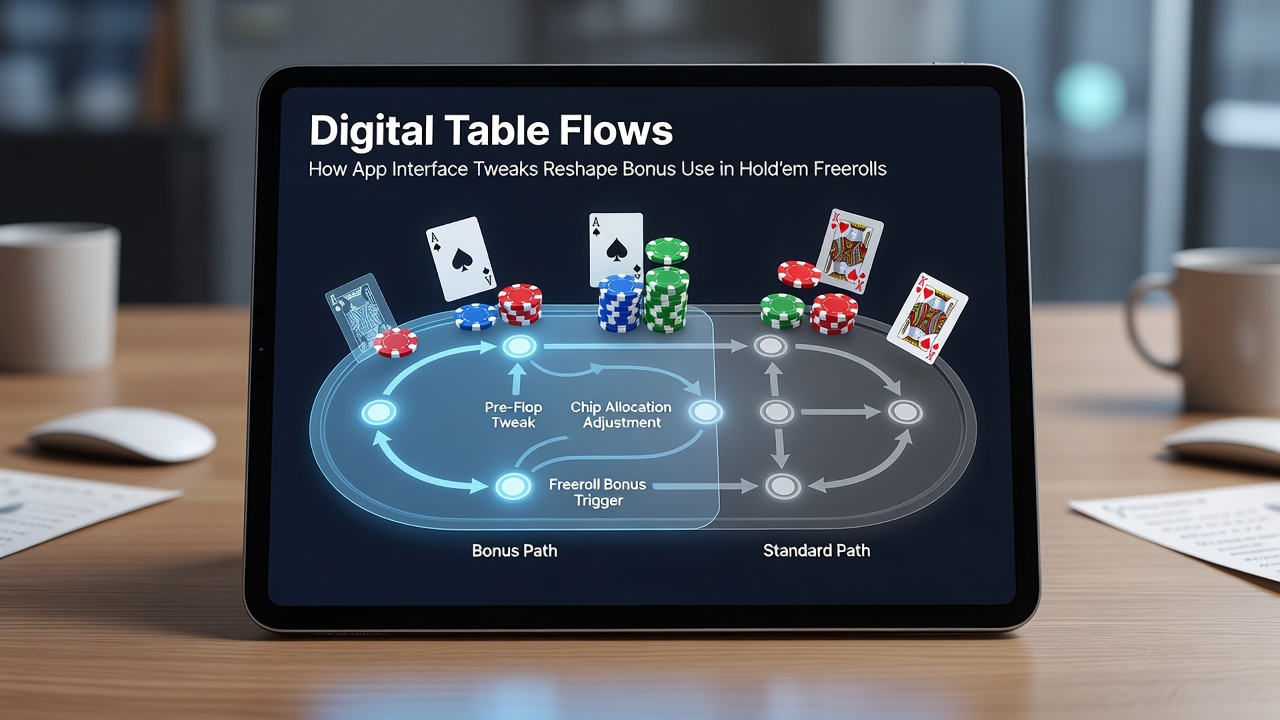
Digital Table Flows: How App Interface Tweaks Reshape Bonus Use in Hold'em Freerolls
App developers continue to refine interface elements in mobile poker platforms, and these adjustments directly influence how participants interact with bonuses during Hold'em freerolls. Interface changes such as repositioned claim buttons, streamlined menu navigation, and real-time balance displays alter player behavior patterns according to multiple industry reports. In October 2026, several major platforms rolled out updates that placed bonus activation prompts closer to the main action area, resulting in measurable shifts in redemption rates during tournament registration windows.
Interface Elements and Player Navigation Patterns
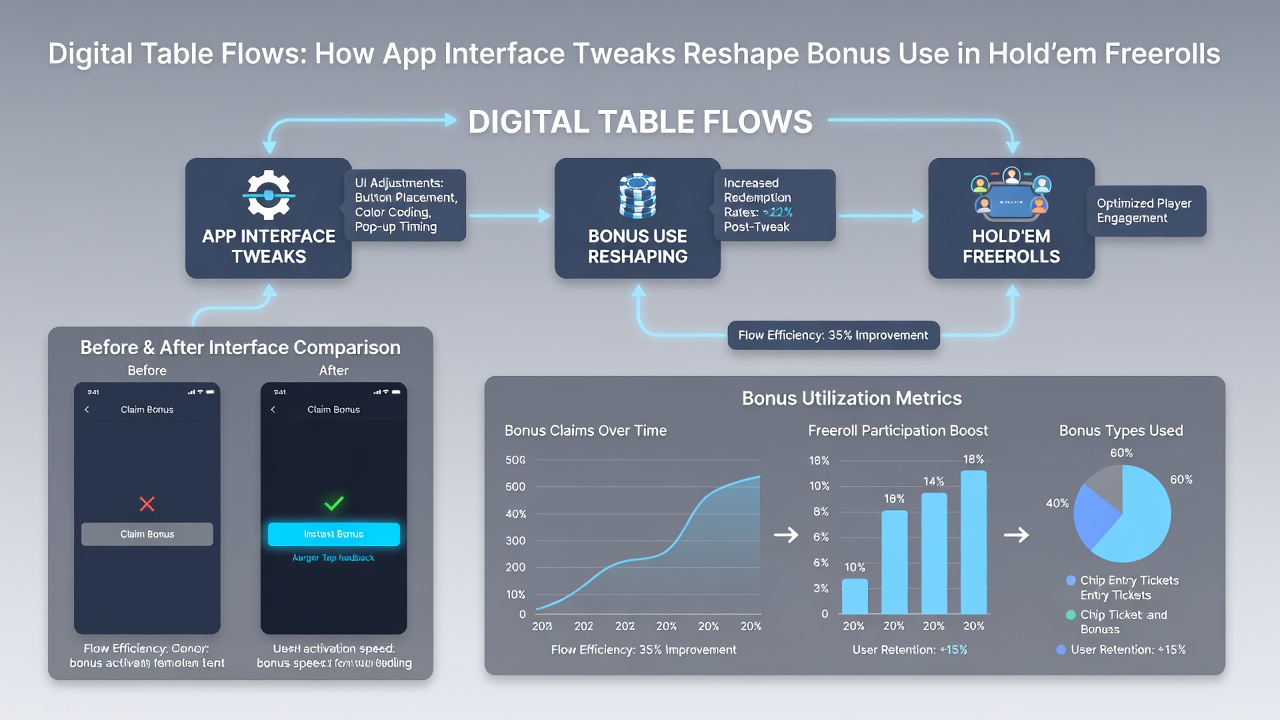
Design modifications often target the flow from lobby screens to active tables, where bonus indicators appear alongside stack sizes and blind levels. When developers consolidate bonus information into a single expandable panel rather than separate tabs, users complete the claim process in fewer steps, and data from platform analytics shows increased participation in freerolls that offer entry-fee coverage. Observers note that color-coded progress bars for bonus wagering requirements encourage continued play sessions because players track remaining obligations without leaving the table view.
Button placement plays a central role in these dynamics. Moving the "Claim Bonus" action from a secondary menu to a persistent footer bar reduces the time between decision points and reward activation. Research conducted by mobile gaming analytics firms indicates that such tweaks correlate with higher average bonus utilization per user during evening peak hours when freeroll fields expand rapidly. The same studies reveal that players who encounter fewer confirmation screens tend to apply bonuses across multiple consecutive events rather than saving them for larger buy-in structures.
Bonus Integration in Freeroll Tournament Ecosystems
Hold'em freerolls frequently incorporate bonus multipliers that scale with consecutive daily logins or referral completions, yet the visibility of these multipliers depends on how the app surfaces them within the tournament lobby. When platforms embed multiplier indicators directly beneath the registration button, conversion from browsing to entry increases, according to figures released by European online gaming associations. This integration allows participants to evaluate total value including bonus contributions before committing to a specific event schedule.
Live dealer integration adds another layer to these flows. As of October 2026, several operators expanded hybrid freerolls that combine digital interfaces with streamed dealer elements, and the apps now display bonus-eligible hands in a dedicated overlay that updates automatically after each deal. Those who have examined participation logs report that players respond to these overlays by adjusting their session length to meet wagering thresholds tied to the bonus structure.
Data Trends Across Regions and Platforms
Analytics compiled by the Australian Interactive Gaming Council demonstrate that interface updates emphasizing quick-access bonus wallets lead to a 12 percent rise in bonus-linked freeroll entries over a three-month period following deployment. Similar patterns appear in North American markets where regulatory frameworks require clear disclosure of bonus terms within the app itself. Developers respond by embedding expandable term summaries that appear only when a player hovers over the bonus icon, thereby maintaining screen clarity while satisfying compliance requirements.
Retention metrics further illustrate the connection between design and usage. Platforms that introduced swipe gestures for switching between cash game tables and freeroll lobbies recorded elevated bonus rollover completion rates because players maintained momentum without exiting the main interface. Industry reports from Canadian regulatory bodies highlight that these gesture-based controls reduce friction particularly for users on smaller screen devices common in mobile-first regions.
Technical Adjustments and Behavioral Outcomes
Push notification timing interacts with interface tweaks to shape bonus engagement. When alerts about available freeroll bonuses arrive alongside an in-app banner that directs users straight to the registration flow, click-through rates climb according to aggregated data from multiple operators. The banners often feature countdown timers for bonus expiration, prompting immediate action rather than delayed decisions that might result in forfeited rewards.
Customization options also factor into the equation. Allowing players to pin frequently used bonus types to a quick-launch dock within the table view streamlines repeated use across daily freerolls. Research from academic studies on digital interface design in gaming contexts shows that such personalization correlates with more consistent bonus application, especially among users who participate in multiple short-duration events per session.
Conclusion
Platform operators continue to test incremental interface modifications that affect how bonuses integrate into Hold'em freeroll participation. The placement of visual cues, reduction of navigation steps, and synchronization with live elements all contribute to observable changes in redemption and rollover behavior. Data gathered through October 2026 indicates these adjustments operate consistently across different regulatory environments and device types, providing measurable impacts on player engagement patterns without requiring alterations to the underlying bonus structures themselves.